New to executive function? Start here.
If you're just beginning to understand executive function, this digital guide is the perfect place to start.
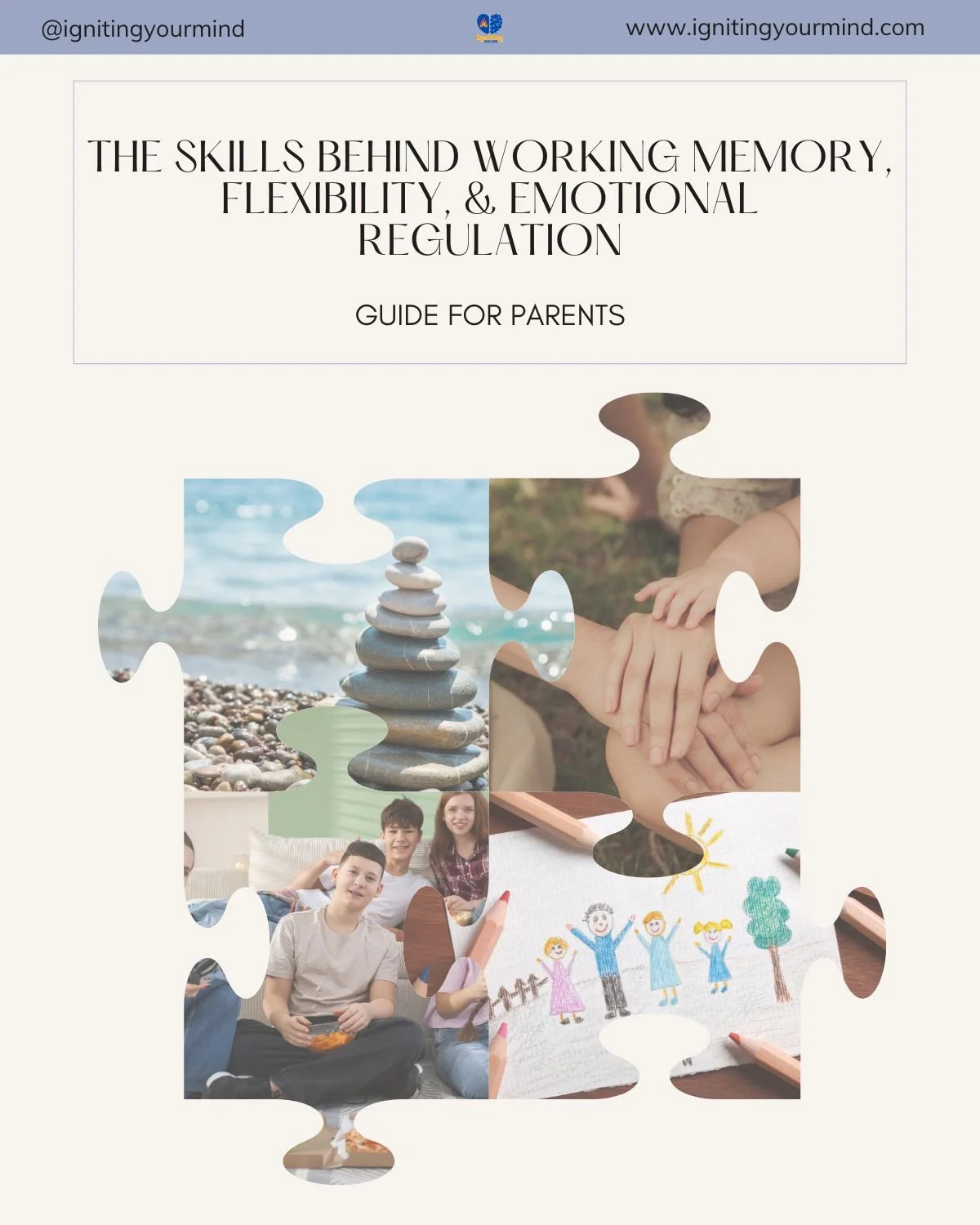
Before we can teach planning, organization, time management, or focus, we have to build the foundation: self-awareness and self-regulation. Without these skills, everything else becomes much harder.
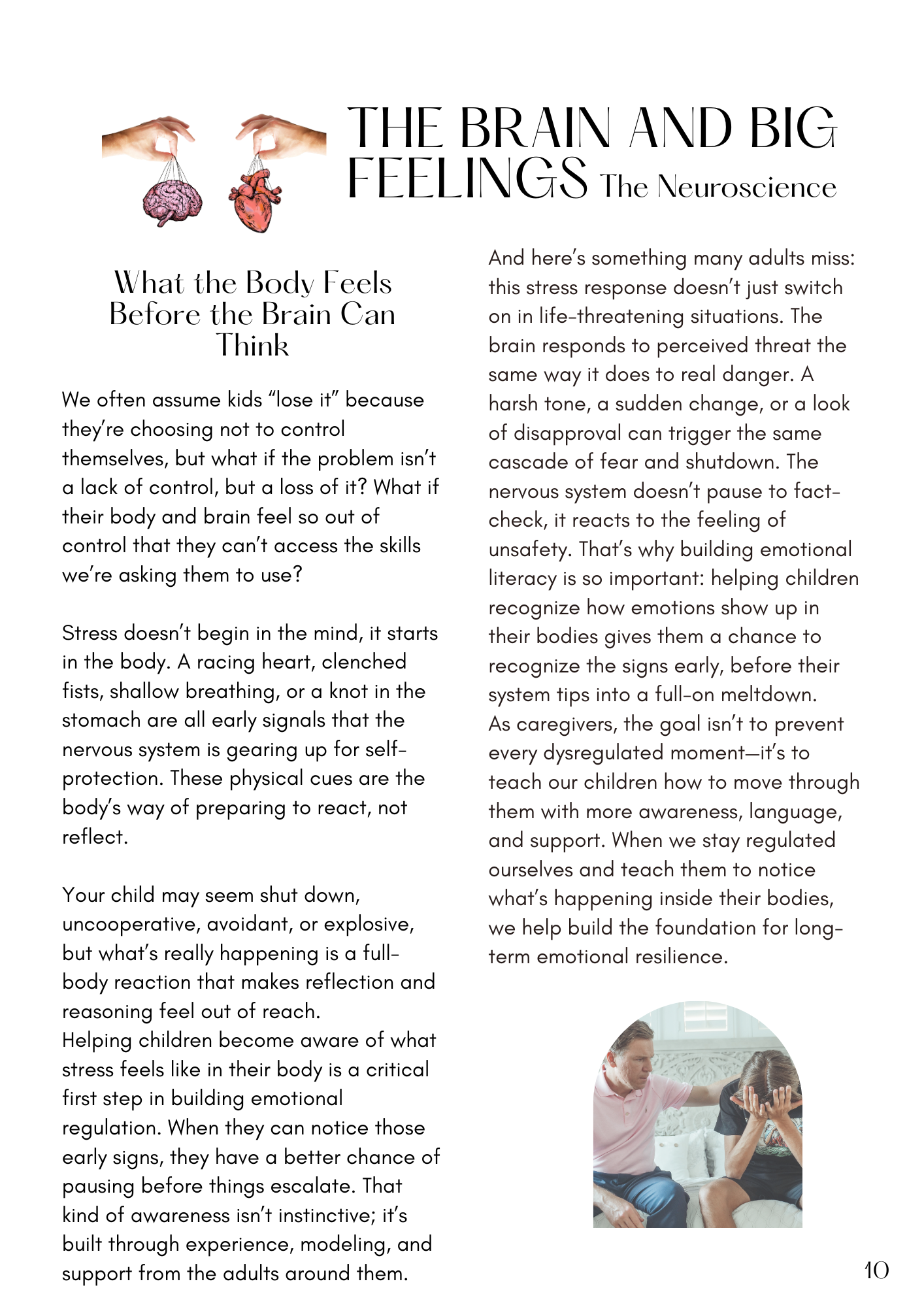
What if your child's outbursts, shutdowns, or avoidance weren't signs of defiance, but signals of stress, unmet needs, or lagging executive function skills?
Regulate. Reflect. Respond. It is a practical, research-backed guide that helps parents move beyond managing behavior and toward building emotional resilience, self-regulation, and lasting executive function skills.
You'll learn how to strengthen connection without lowering expectations, creating the foundation your child needs to thrive at home, at school, and in life.
This is a private, vetted membership community created for the mom who has spent years showing up for everyone else.
The mother who has been the researcher, advocate, planner, emotional anchor, and often the executive functioning system for the entire family.
Sometimes your child is struggling. Sometimes your child is thriving. But the invisible load of holding everything together can leave even the most proactive and capable mothers feeling exhausted, isolated, overwhelmed, or disconnected from themselves.
This is not another place to collect more strategies or add another thing to your parenting to-do list.
This is a place to be honest.
Honest about the parts of motherhood that are beautiful and the parts that are hard.
Honest about the guilt, resentment, loneliness, mental load, the pressure to hold it all together, and the desire to reconnect with yourself outside of the role of mom.
The Honest Circle
A private, carefully curated Facebook community where you can connect with mothers who truly understand the invisible emotional and executive functioning load of parenting.
Honest Conversations
Weekly reflection prompts and meaningful discussions around burnout, boundaries, identity, relationships, self-care, the mental load, and the realities of motherhood that are often left unsaid.
IYM’s Honest Perspective
Personal video responses to selected member questions each week, offering insight, validation, reflection, and practical guidance from Nicole and others from their years of supporting families.
The Honest Mom Reset
A monthly reflection designed to help you pause, evaluate what you are carrying, reconnect with yourself, and make intentional shifts that support your own well-being.
Anonymous Honest Shares
A safe way to share the thoughts, feelings, and struggles you may not feel comfortable saying out loud while remaining protected within the community.
The Honest Mom Village
A community where you can celebrate the wins, process the hard moments, laugh, cry, and be reminded that you do not have to carry motherhood alone.

This is a space where honesty is welcomed, vulnerability is protected, and the mom (and who you were before you became mom) matters, too.
This is our most connected level of membership, designed for moms who are not only looking for community, but who also crave real conversations, deeper connection, and the opportunity to be seen and supported in real time.
As a Circle member, you receive everything included in The Honest Mom Community Collective, including:
The Honest Circle Community
A private, vetted Facebook community where you can connect with mothers who understand the invisible emotional and executive functioning load of motherhood.
Honest Conversations
Weekly reflection prompts and meaningful discussions around burnout, boundaries, identity, relationships, self-care, the mental load, and the realities of motherhood that are often left unsaid.
IYM’s Honest Perspective
Personal video responses to selected member questions, offering insight, validation, reflection, and practical guidance.
The Honest Mom Reset
Monthly reflections and resources designed to help you pause, evaluate what you are carrying, and reconnect with yourself beyond motherhood.
Anonymous Honest Shares
The ability to share honestly and vulnerably within a safe, confidential, and supportive space.
Complimentary Access to Nicole's Paid Substack
Additional reflections, articles, and resources delivered directly to your inbox.
PLUS, Circle members receive:
Weekly live Zoom conversations in a small, intimate setting designed for honest discussion, reflection, and connection.
These are not lectures. They are guided conversations where we come together to discuss the realities of motherhood, share what we are carrying, celebrate growth, process challenges, and support one another in a space where we do not have to explain everything.
Circle conversations may be organized by parenting season, child age, or themes based on the needs and interests of our members.
This is a place to put down the weight, be seen, and remember that the mom matters too.
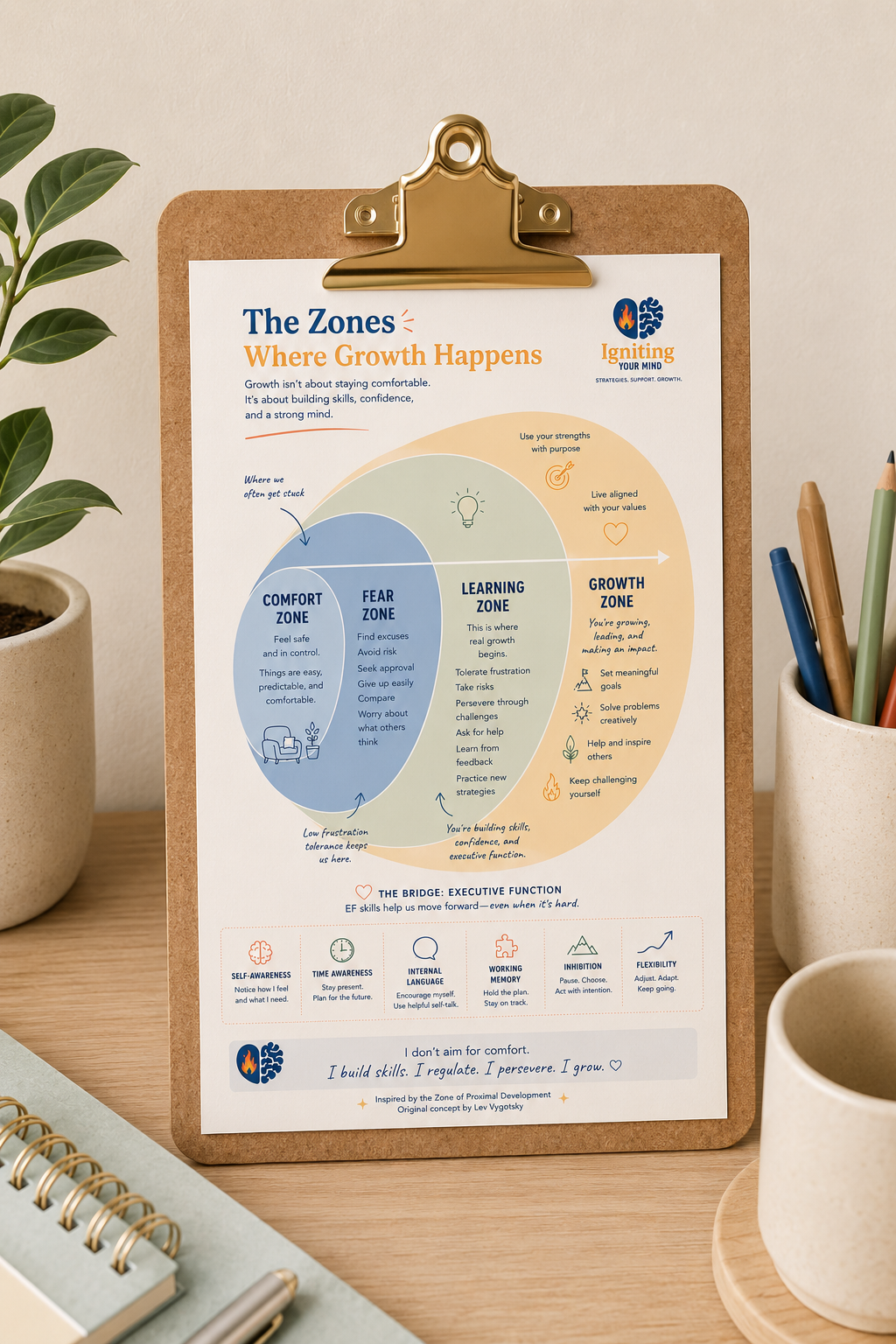
Growth doesn't happen when life is easy. It happens when children learn to tolerate frustration, work through challenges, and discover they're capable of doing hard things.
This printable helps children and teens understand the difference between staying comfortable and building the executive function skills that lead to lasting confidence. Rather than avoiding discomfort, they'll learn to see challenges as opportunities to strengthen perseverance, flexible thinking, emotional regulation, and problem-solving.
Display it in your child's study space, classroom, therapy office, or family command center. Use it before difficult tasks or after setbacks to reflect together and reinforce the mindset that growth comes through practice, not perfection.
Perfect for:
Home learning spaces
Classrooms
Counseling and therapy offices
Executive function coaching
Growth mindset discussions
Students of all ages
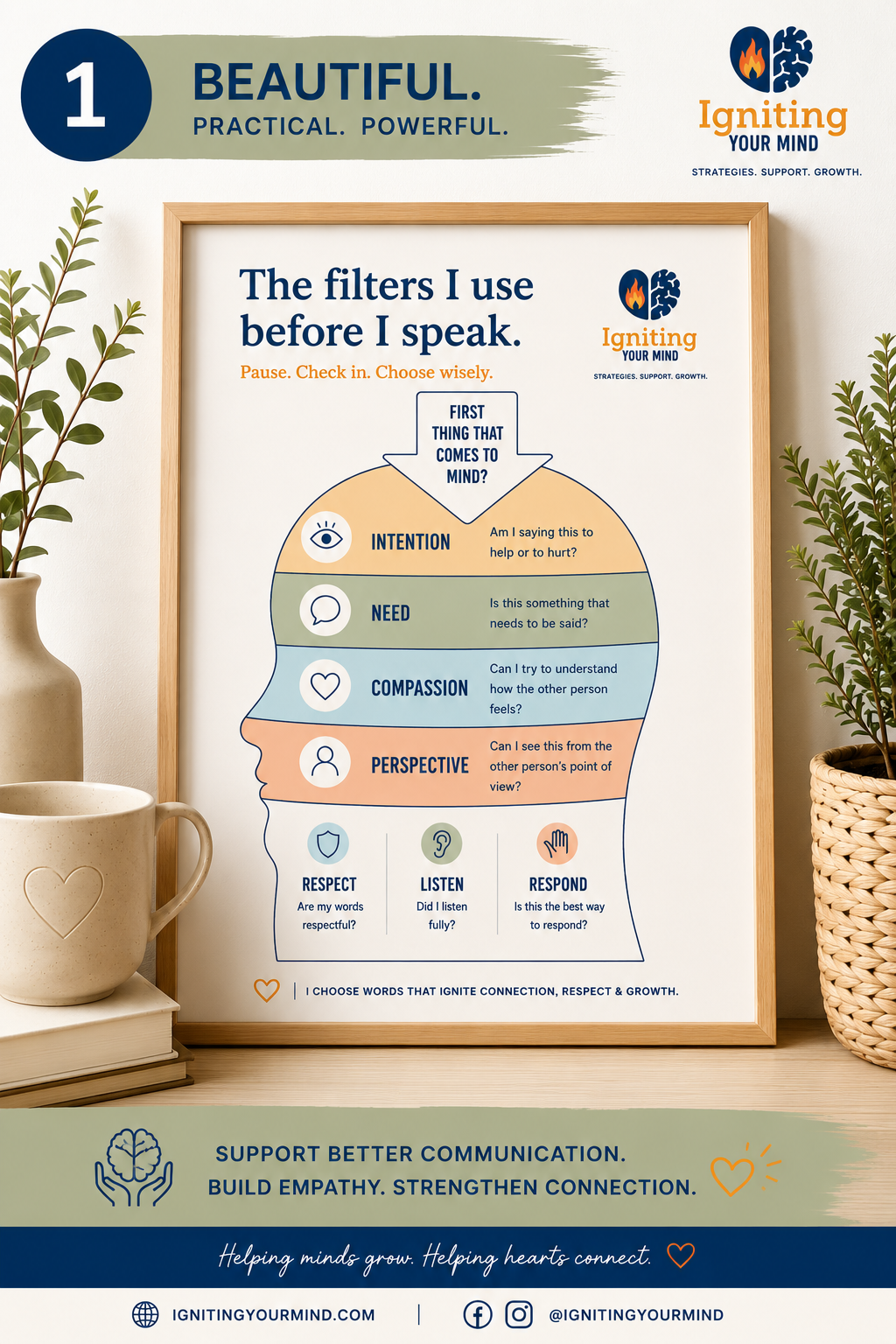
A Visual Guide to Building Thoughtful Communication Through Executive Function
Words matter, and thoughtful communication doesn't happen automatically. It's a skill that develops over time and must be intentionally taught.
This printable helps children and teens slow down, think through their words, consider another person's perspective, and respond with intention instead of impulse. By strengthening executive function skills like inhibition, self-awareness, perspective taking, and cognitive flexibility, you're helping build communication that lasts a lifetime.
Display it in your child's study space, bedroom, classroom, or family command center. Use it as a conversation starter before difficult situations and reflect on it together afterward. Over time, these questions become your child's inner voice.
Perfect for home, classroom, counseling offices, and therapy spaces
Designed to support executive function, emotional regulation, and respectful communication across all ages
Help your child build one of the most important life skills they will ever develop: the ability to understand themselves and appreciate the world around them.
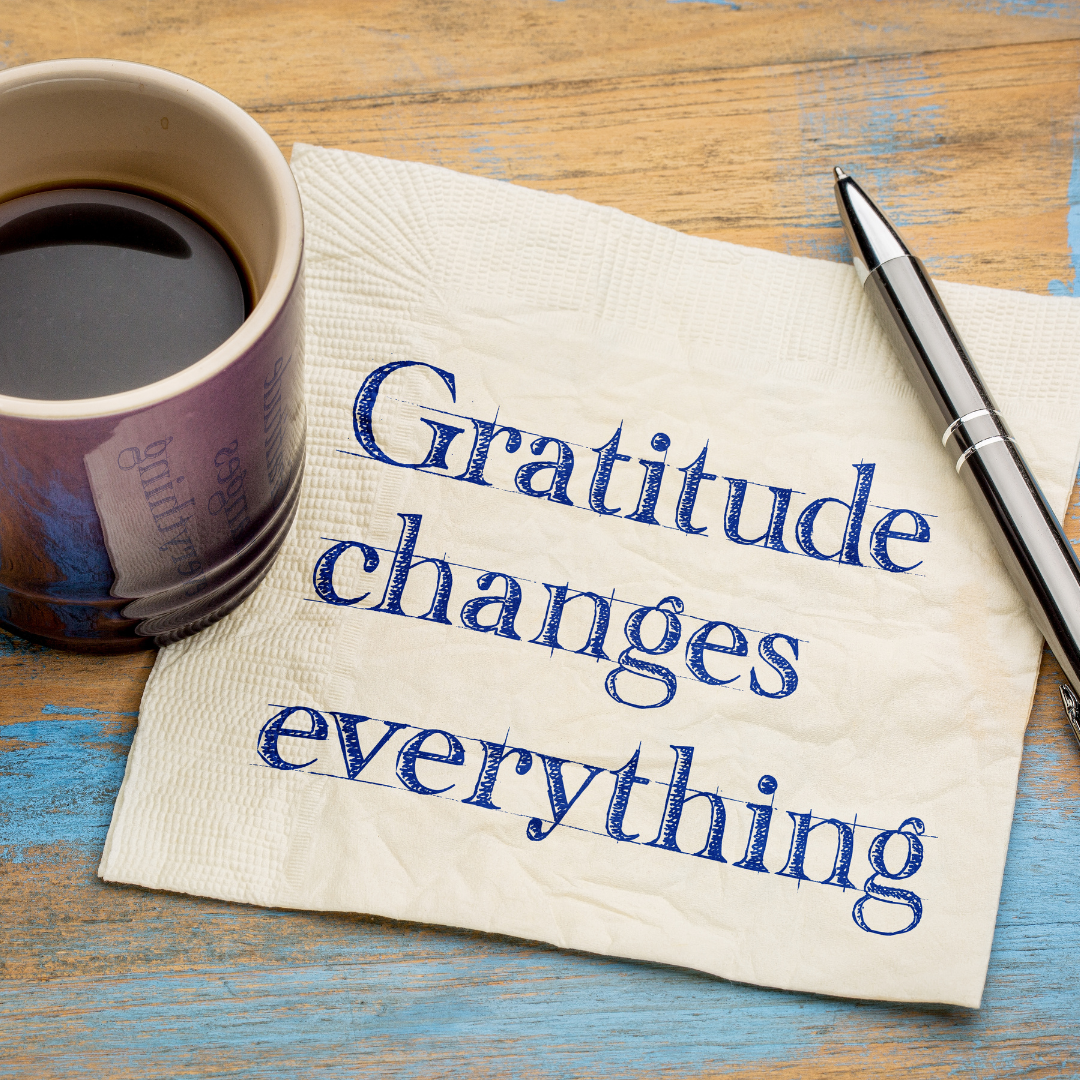
This printable gratitude and self awareness journal includes a variety of engaging prompts designed to encourage reflection, emotional awareness, positive thinking, goal setting, gratitude, and writing practice. Perfect for elementary, middle, and high school students, this resource helps children and teens slow down, think about their experiences, and develop greater insight into their thoughts, feelings, and actions. There are tons of options, so you can get additional buy in from your child; allow them to choose which template resonates with them most!
Inside you'll find:
• Gratitude prompts
• Mood and emotion check ins
• Self reflection activities
• Positive affirmations
• Goal setting pages
• Brain dump and clarity exercises
• Writing and reflection opportunities
Summer is the perfect time to introduce these habits while helping students maintain important writing skills during the break. Just a few minutes a day can help build emotional intelligence, resilience, perspective, and stronger executive function skills.
Ideal for families, homeschoolers, counselors, educators, and anyone looking to support a child's personal growth.
Not sure what to say when your child is upset, frustrated, or overwhelmed? This simple one-page guide gives you practical sentence starters that help children feel heard, understood, and supported while strengthening communication and connection at home. Perfect for parents who want to respond with confidence and build emotional awareness through everyday conversations.
This guide is not a planner. It's not a checklist. And it's definitely not another lecture about why you need to "just try harder" to be on time.
Time Management for ADHD Brains is a research-based, teen-adapted workbook built around 19 strategies from two of the leading voices in ADHD coaching and psychiatry — Dr. Edward Hallowell, M.D. and Sandy Maynard, M.S. Every tip comes with the science behind why it works, not just instructions to follow it blindly. Because ADHD brains don't do well with "just because" — they need to understand the why before the how clicks into place.
A note before you dive in — this guide assumes something important.
Time management is a skill that gets built in layers. Before you can learn how to manage time, you first need to have developed a foundational awareness that time exists, moves, and can be planned around. That means:
You can feel the difference between "five minutes" and "an hour"
You understand that future events are real and coming, even when they feel abstract
You have enough self-awareness to notice when you're off-task, even imperfectly
You've started to connect your choices now with outcomes later
If those foundational pieces aren't yet solid, this guide will feel frustrating rather than helpful — and that's not a failure, it's just information. Building time awareness is the prerequisite work, and it deserves its own focus before creative time management frameworks can land.
If you're working with a coach, parent, or therapist, this is a great conversation to have before starting: "Do I have the foundational awareness I need to practice these strategies?"
Once that foundation is in place, this guide gives you the creative frameworks ADHD brains actually respond to — body doubling, gamification, chunking, inner voice rewiring, and more — paired with real write space to make every strategy personally yours. Because the research is clear: strategies that stay on a page don't change behavior. Strategies you wrestle with, reflect on, and commit to in your own handwriting? Those have a real chance.
This is the guide for teens who are ready to build the next layer.
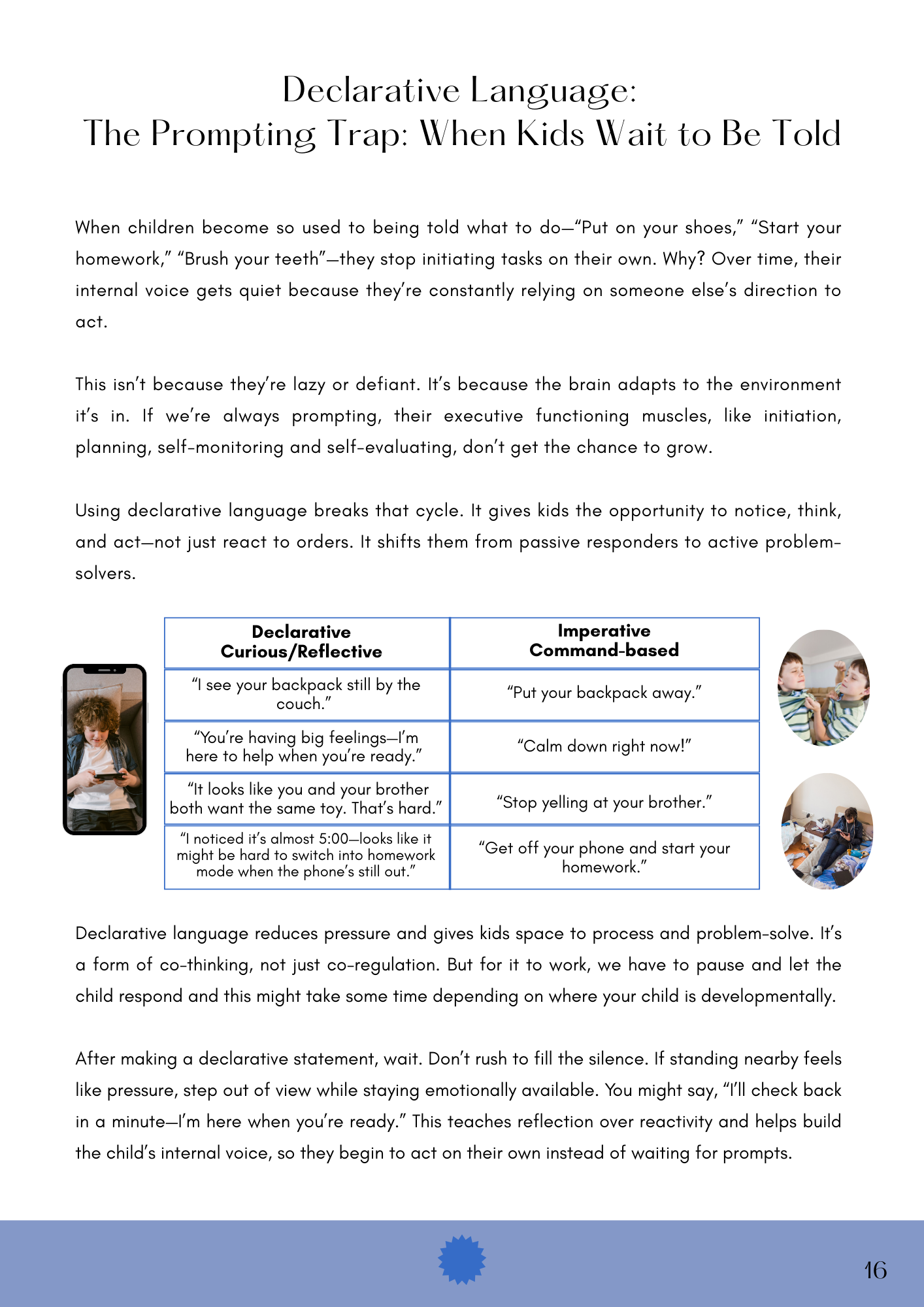
Reflexive questions help kids pause and think instead of relying on someone else to tell them what to do. Instead of giving answers or constant reminders, these questions guide kids to notice, plan, and problem-solve on their own. Over time, this builds self-awareness, independence, and the ability to manage situations without external prompting. It shifts the focus from compliance to thinking, which is where real executive function growth happens.
Looking for something meaningful to do with your child that goes beyond worksheets and busy work?
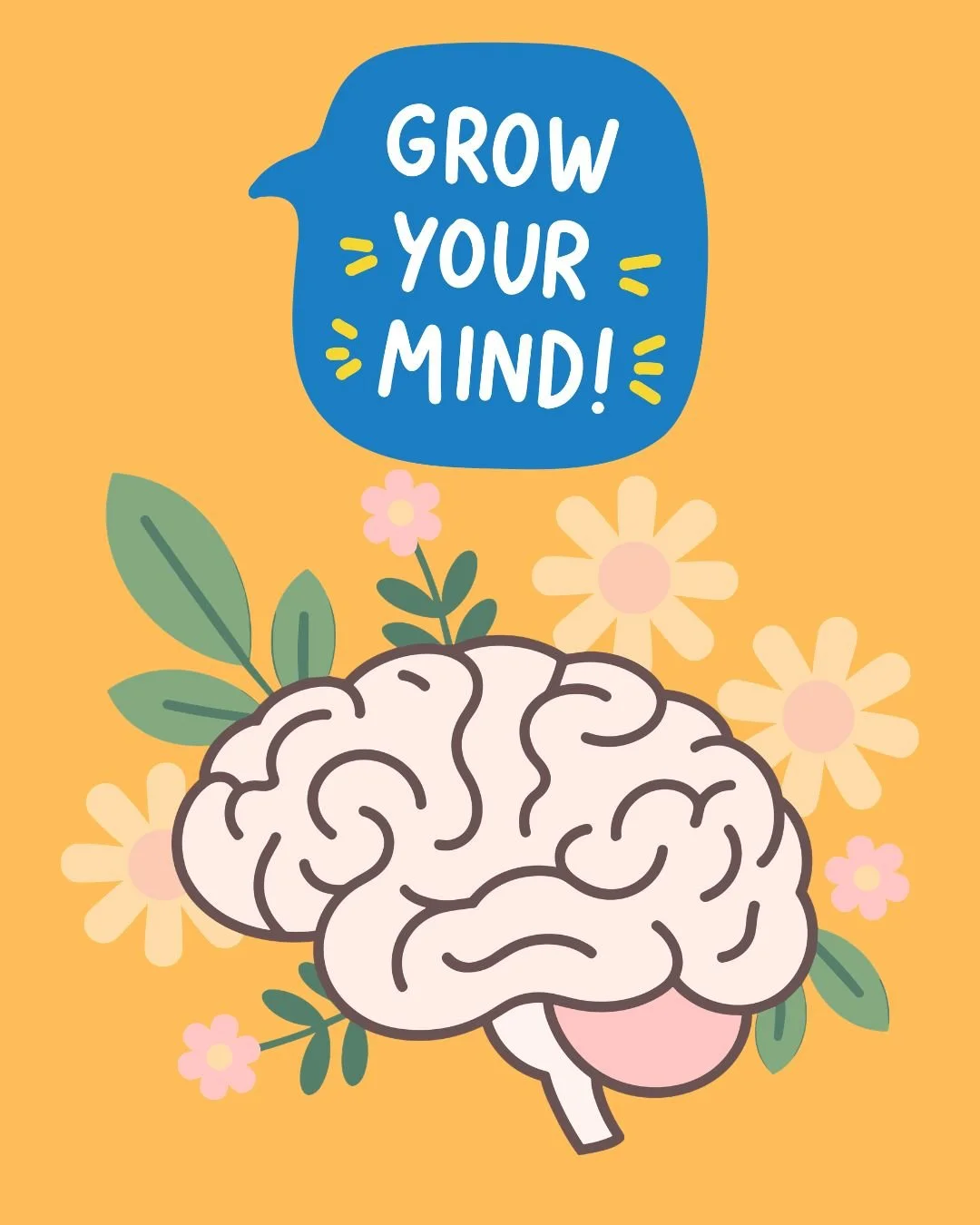
This interactive activity is designed to help your child understand how their brain actually works and how they can grow their intelligence over time. Through reading, drawing, and discussion, your child will begin to see that their brain is not fixed, it can grow and get stronger with effort and practice .
This isn’t just an activity. It’s a conversation starter.
Together, you’ll explore:
How the brain grows and changes with learning
Why effort and practice matter
How challenges actually help build stronger thinking skills
What it means to “get smarter” over time
The built-in drawing and reflection pieces make it engaging and help your child actually process and remember what they’re learning, not just read it and move on.
It’s simple to use, easy to implement, and creates a natural opportunity to talk about effort, frustration, and growth in a way kids can understand.
Perfect for summer when you want to keep learning alive without it feeling like school.
Who This Is For
This Workshop is for any parent who feels like summer is the season everything falls apart. If your child needs constant prompting to start anything, fills every unstructured hour with screens, seems to have ideas but never acts on them, or shuts down the moment the school routine disappears — this was built for you. You don't need a diagnosis to be here. You just need to recognize your kid in that description.
This is especially valuable for parents of children with ADHD, executive function delays, or any neurodivergent learner who thrives with structure and struggles without it.
What You'll Learn
By the end of our time together you'll understand why summer is genuinely hard for prompt-dependent kids — and why the strategies you've been trying haven't stuck. You'll walk away knowing how to build a light, flexible structure that holds without turning into a power struggle, how to use chores and real responsibility to actually build executive function, how to handle screen time in a way that's routine-based rather than reactive, how to help your child tolerate boredom and fill tech-free time without you doing the work for them, how to support real-world friendships and in-person connection, how to keep their brain engaged over the summer without it feeling like school, and exactly what to say in the hardest moments — with scripts you write in your own words during the session.
Same strategies, same scripts, at your own pace.
Your registration includes the live webinar AND your personalized companion workbook… a fillable, interactive guide you'll work through in real time during the session. Most parent workshops leave you with notes you never look at again. This one leaves you with a completed, personalized summer plan in your hands…ready to use the moment school ends.
The 16-page workbook alone is worth the price of admission. Together, they give you the framework, the scripts, and the structure to make this summer genuinely different for your family.
All of this for one small registration fee.
Live webinar · Interactive companion workbook · Full recording at the top of your workbook!
Every summer, the same thing happens. School ends, structure disappears, and kids who held it together all year suddenly can't seem to do anything without being asked seventeen times. The screens take over. The waiting starts. And by mid-July, everyone in the house is frustrated.
If that sounds familiar, you're not missing something as a parent. Your child's brain is missing a scaffold — and summer just removed the last one it had.
This free starter guide introduces you to the why behind prompt-dependent and EF-delayed kids, and gives you a clear, research-backed starting point for building a summer that actually works for your family. In just two pages you'll learn why unstructured time is genuinely hard for these kids (not an excuse — a neurological reality), the three pillars every summer needs to support executive function development, and what authoritative parenting looks like when your child needs more than reminders and consequences.
It won't solve everything — and it's not meant to. Think of it as the first conversation. A way to finally have language for what you've been experiencing, and a direction to start moving in.
Whether you're ready to go deep or just getting started, this guide will shift how you see the next three months.
Already want more? The Summer Blueprint live webinar goes further — covering structure, screen time, chores, boredom tolerance, friendships, the summer slide, and scripts for the hard moments. You'll build your family's personalized summer plan right in the session and leave with something real in your hands. Details on the webinar are inside the guide.
Download free. No commitment required. A better summer starts here.
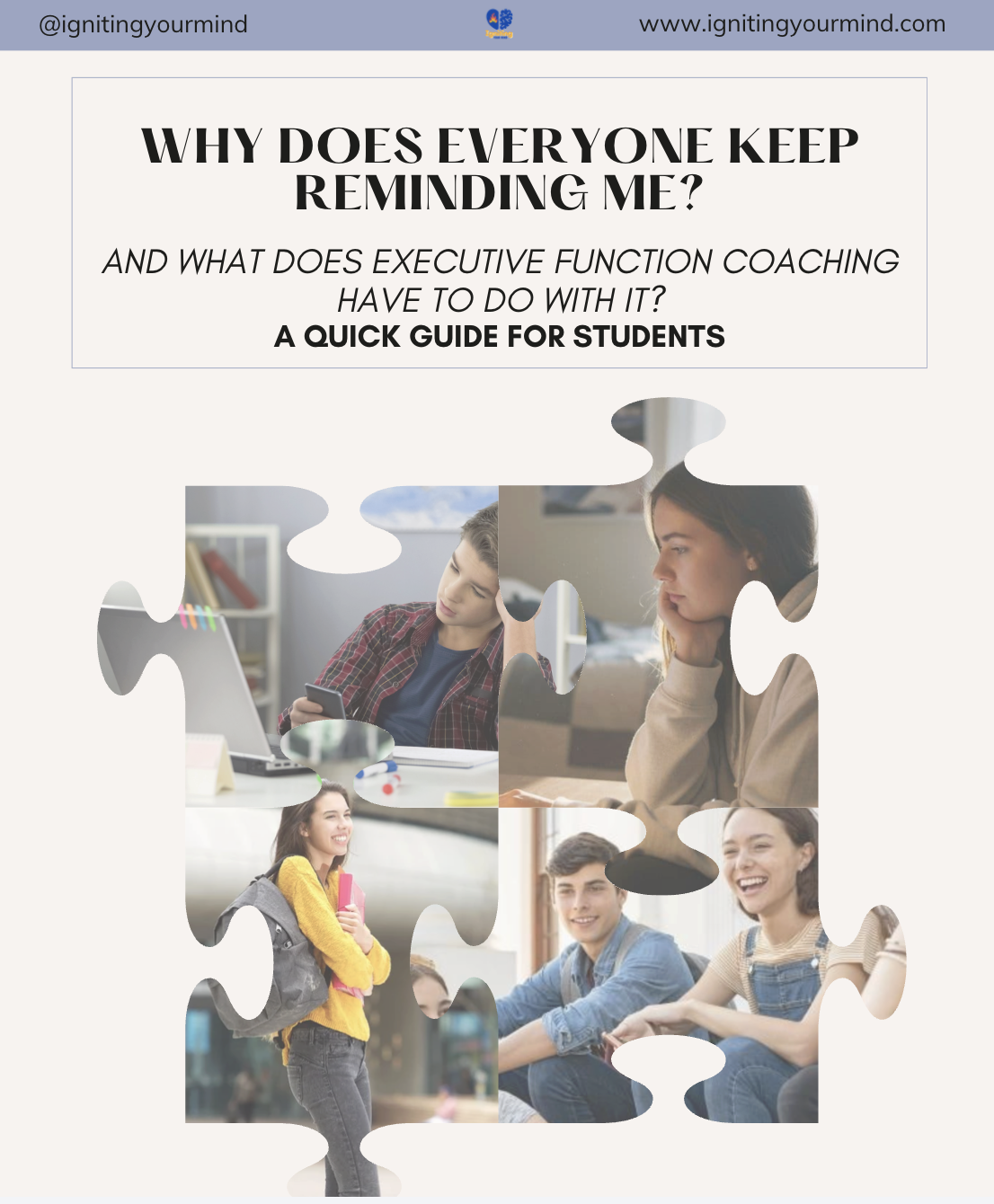
Executive function coaching is a little different from tutoring or therapy.
We are not here to reteach school material or to talk through feelings the way a therapist might. Our job is to help you build the skills that make life easier to manage over time. Things like starting tasks, staying organized, managing stress, and following through on responsibilities.
The goal is not for you to rely on a coach forever. The goal is for you to learn how to do more of these things on your own.
Executive function is one of the most misunderstood areas of child development. It’s often reduced to organization and time management, when in reality it drives how kids start tasks, stay on track, manage emotions, and follow through. This guide breaks it down in a clear, practical way so you can understand what executive function really is, why your child may be struggling even when they “know what to do,” and how the right support helps build lasting independence.
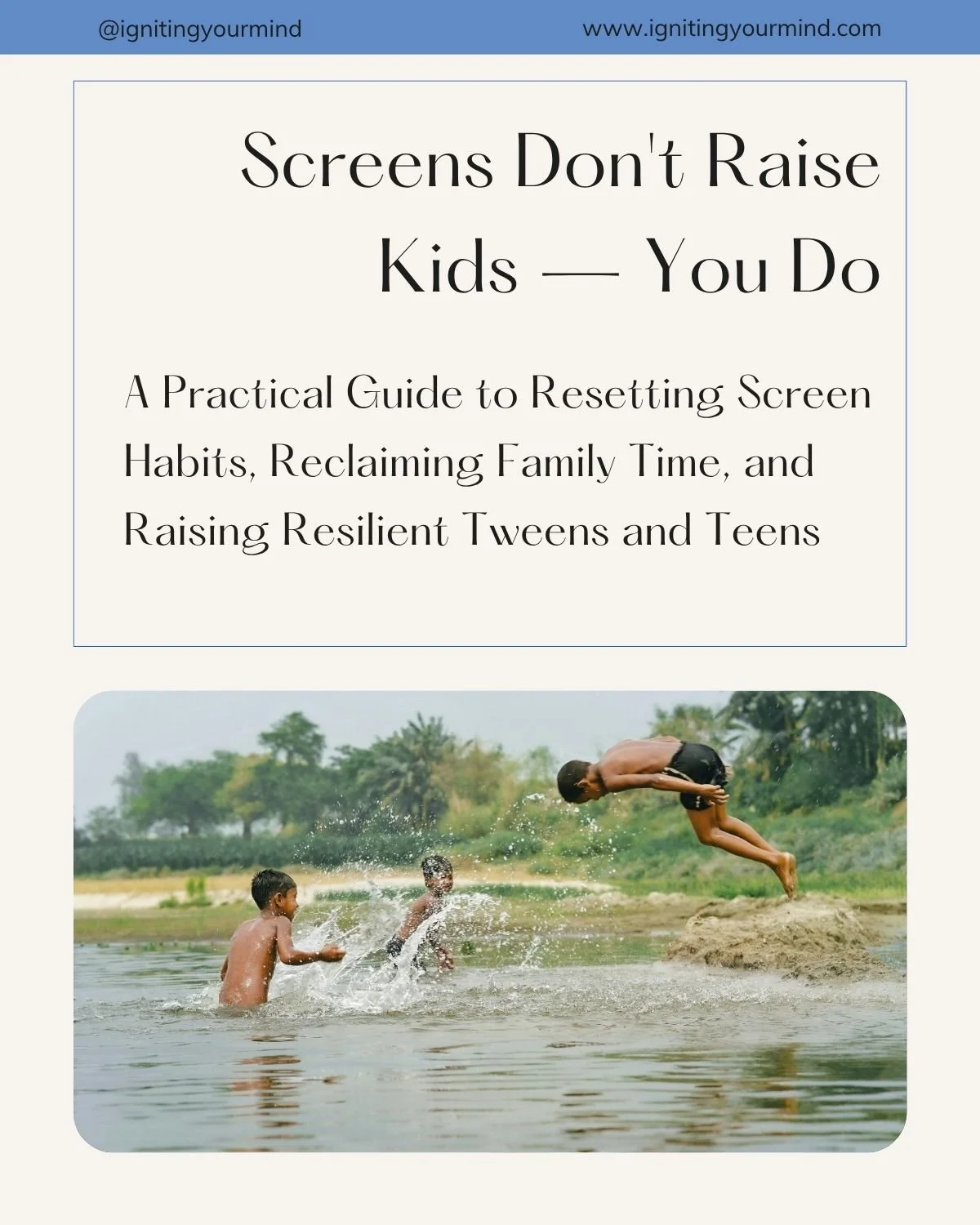
A Practical Guide to Resetting Screen Habits, Reclaiming Family Time, and Raising Resilient Tweens and Teens
You’ll likely see parts of your child in different sections, and that’s the point. This guide is here to help you step back, make sense of what you’re seeing, and start making small, intentional shifts in how screens are showing up in your home.
You don’t need to implement everything at once. In fact, trying to change too much too quickly usually doesn’t stick.
Start with what stands out to you most. Maybe that’s sleep patterns. Maybe it’s the after-school routine. Maybe it’s the level of pushback you’re getting when screen time is over.
Use the education in this guide and reset plan as your starting point, and come back to this as needed. As things shift, you’ll likely notice new patterns and areas to adjust.
Over time, small, consistent changes are what lead to real, lasting progress.
Mindfulness and meditation are often presented as go-to strategies for stress, anxiety, and overall well-being. And for some kids, they truly help.
But for others, especially those carrying trauma, high anxiety, or sensory sensitivity, being asked to sit still and turn inward can feel anything but calming. It can actually increase discomfort, agitation, or emotional intensity.
This guide takes a closer look at why that happens. It unpacks how trauma and nervous system differences can shape a child’s response to traditional mindfulness practices, and why those approaches are not one-size-fits-all.
More importantly, it offers practical, approachable alternatives. Strategies that support regulation without requiring stillness or silence. Tools that meet kids where they are, helping them feel safe, grounded, and more in control without forcing a method that does not fit.
Because regulation is the goal. The path to get there can look different for every child.
A separate service and/or monthly support membership designed for those moments when you feel stuck and simply need a trusted voice to help you think through what comes next.
Unlike The Honest Mom Collective, The Clarity Corner is not a community membership. It is individualized, direct access to Nicole’s expertise through a one-time or monthly personalized question-and-response format.
Parenting challenges do not always happen during a scheduled coaching session. Sometimes you simply need a place to ask a question, process a situation, and gain clarity before moving forward.
Each month, you can submit one Clarity Question and receive a thoughtful, individualized response from Nicole designed to help you navigate the situation with more confidence and less overwhelm.
This is not full coaching or ongoing back-and-forth communication. It is focused, high-quality guidance that helps you pause, reflect, consider your options, and determine your next best step.
Whether you are navigating a challenge with your child, struggling with a school concern, questioning how much support to provide, or simply wondering, "What do I do now?" The Clarity Corner gives you a trusted place to turn.
Because sometimes you do not need an entire plan. You just need clarity.
The Clarity Corner can help with:
• Working through a specific challenge or situation
• Talking through options and identifying practical next steps
• Problem-solving around routines, communication, organization, and daily struggles
• Understanding executive functioning challenges and how they may be impacting your child
• Navigating school concerns and determining what support may be helpful
• Knowing when to step back, when to provide support, and how to avoid over-functioning
You will receive practical, compassionate, and grounded guidance tailored to your family's unique situation — not generic parenting advice.
The goal is simple: to help you move from overwhelmed and uncertain to clear, confident, and ready for your next step.
When you need more than a quick answer, we can always discuss additional coaching options. But many times, one thoughtful conversation can provide the clarity you have been looking for.
This guide helps parents understand how nutrition may support attention, mood, and regulation in children with ADHD. Inside, you’ll find research-informed information on nutrients that have been studied for their role in brain health, including omega-3s, magnesium, zinc, and other key micronutrients.
The guide explains what current research suggests, how these nutrients may fit into a comprehensive ADHD support plan, and when it may be helpful to discuss testing or supplementation with your child’s healthcare provider. It also includes practical food ideas for families who prefer to focus on nutrition through whole foods rather than supplements.
Designed to be clear and practical, this resource helps parents better understand the connection between nutrition and brain function so they can make informed decisions about supporting their child’s focus, regulation, and overall well-being.
Why Students Can Understand the Material but Still Struggle to Show It
I created this resource to give you more than just surface-level answers. It dives deeply into the research behind why some students can understand material but still struggle to show it, and it includes embedded links throughout so you can explore the studies, sources, and strategies in as much detail as you want.
Rejection sensitivity can hit hard at times, especially for kids with ADHD. Their brains are already working overtime to manage emotions, so even small moments of perceived criticism or exclusion can feel intense and overwhelming. It’s not overreacting. It’s a real response that can impact confidence, relationships, and willingness to try.
I created a guide to help you understand what’s actually happening and give you practical ways to support your child through it. You’ll learn how to reduce emotional spirals, build awareness, and teach strategies that actually stick over time.
Check it out here!
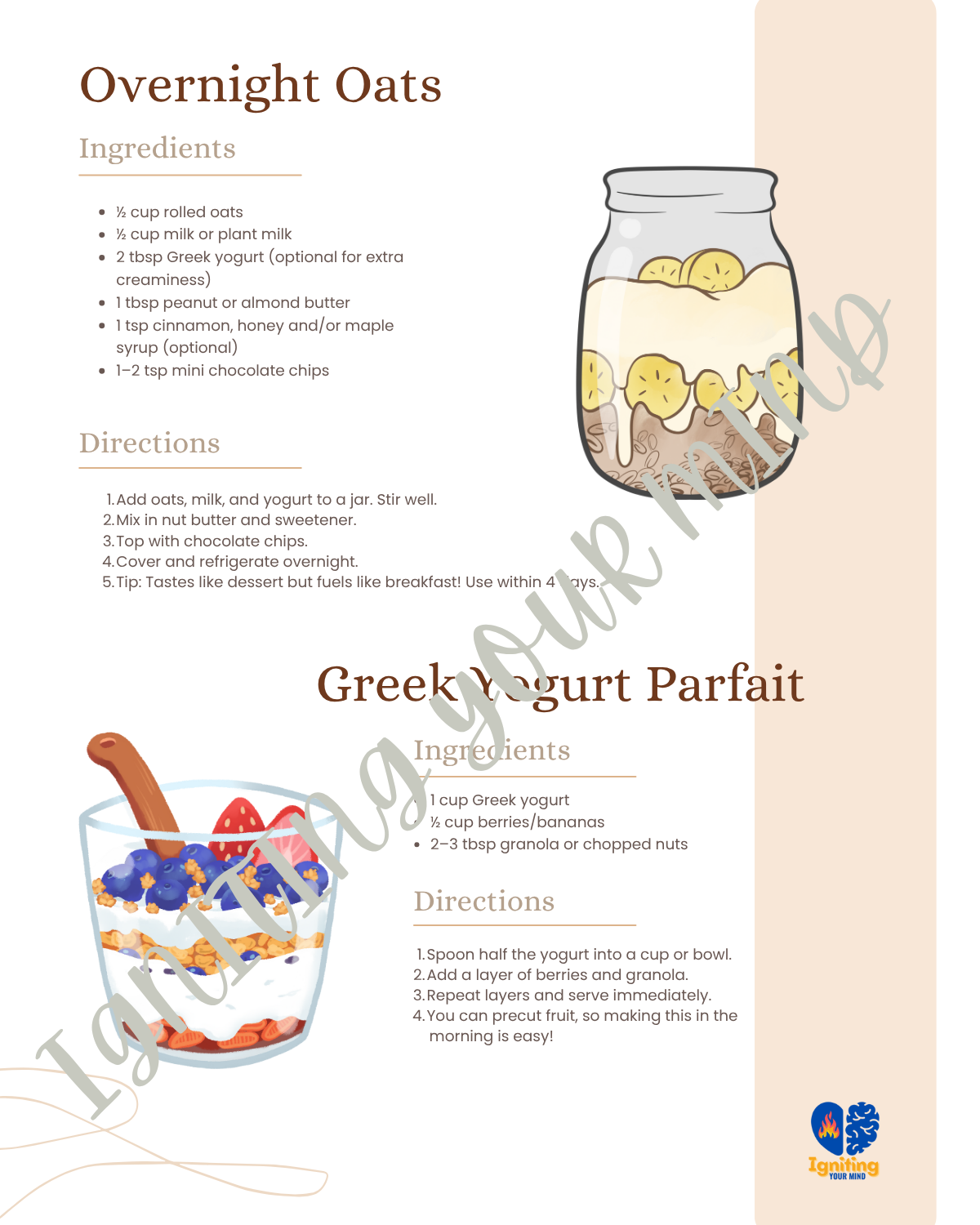
This guide is your go-to resource for understanding how protein fuels your child’s brain, mood, and focus, especially for neurodivergent kids who need steady energy and strong regulation skills. Inside, you’ll learn the science behind why protein matters, get simple and creative breakfast ideas, and find easy recipes your kids can help make. By involving them in the process, from choosing ingredients to preparing meals, you’ll boost their buy-in, build independence, and turn breakfast into a daily opportunity for connection and healthy habits.
No results match your search. Try removing a few filters.