Every summer, the same thing happens. School ends, structure disappears, and kids who held it together all year suddenly can't seem to do anything without being asked seventeen times. The screens take over. The waiting starts. And by mid-July, everyone in the house is frustrated.
If that sounds familiar, you're not missing something as a parent. Your child's brain is missing a scaffold — and summer just removed the last one it had.
This free starter guide introduces you to the why behind prompt-dependent and EF-delayed kids, and gives you a clear, research-backed starting point for building a summer that actually works for your family. In just two pages you'll learn why unstructured time is genuinely hard for these kids (not an excuse — a neurological reality), the three pillars every summer needs to support executive function development, and what authoritative parenting looks like when your child needs more than reminders and consequences.
It won't solve everything — and it's not meant to. Think of it as the first conversation. A way to finally have language for what you've been experiencing, and a direction to start moving in.
Whether you're ready to go deep or just getting started, this guide will shift how you see the next three months.
Already want more? The Summer Blueprint live webinar goes further — covering structure, screen time, chores, boredom tolerance, friendships, the summer slide, and scripts for the hard moments. You'll build your family's personalized summer plan right in the session and leave with something real in your hands. Details on the webinar are inside the guide.
Download free. No commitment required. A better summer starts here.
Executive function is one of the most misunderstood areas of child development. It’s often reduced to organization and time management, when in reality it drives how kids start tasks, stay on track, manage emotions, and follow through. This guide breaks it down in a clear, practical way so you can understand what executive function really is, why your child may be struggling even when they “know what to do,” and how the right support helps build lasting independence.
A Practical Guide to Resetting Screen Habits, Reclaiming Family Time, and Raising Resilient Tweens and Teens
You’ll likely see parts of your child in different sections, and that’s the point. This guide is here to help you step back, make sense of what you’re seeing, and start making small, intentional shifts in how screens are showing up in your home.
You don’t need to implement everything at once. In fact, trying to change too much too quickly usually doesn’t stick.
Start with what stands out to you most. Maybe that’s sleep patterns. Maybe it’s the after-school routine. Maybe it’s the level of pushback you’re getting when screen time is over.
Use the education in this guide and reset plan as your starting point, and come back to this as needed. As things shift, you’ll likely notice new patterns and areas to adjust.
Over time, small, consistent changes are what lead to real, lasting progress.
This guide helps parents understand how nutrition may support attention, mood, and regulation in children with ADHD. Inside, you’ll find research-informed information on nutrients that have been studied for their role in brain health, including omega-3s, magnesium, zinc, and other key micronutrients.
The guide explains what current research suggests, how these nutrients may fit into a comprehensive ADHD support plan, and when it may be helpful to discuss testing or supplementation with your child’s healthcare provider. It also includes practical food ideas for families who prefer to focus on nutrition through whole foods rather than supplements.
Designed to be clear and practical, this resource helps parents better understand the connection between nutrition and brain function so they can make informed decisions about supporting their child’s focus, regulation, and overall well-being.
Why Students Can Understand the Material but Still Struggle to Show It
I created this resource to give you more than just surface-level answers. It dives deeply into the research behind why some students can understand material but still struggle to show it, and it includes embedded links throughout so you can explore the studies, sources, and strategies in as much detail as you want.
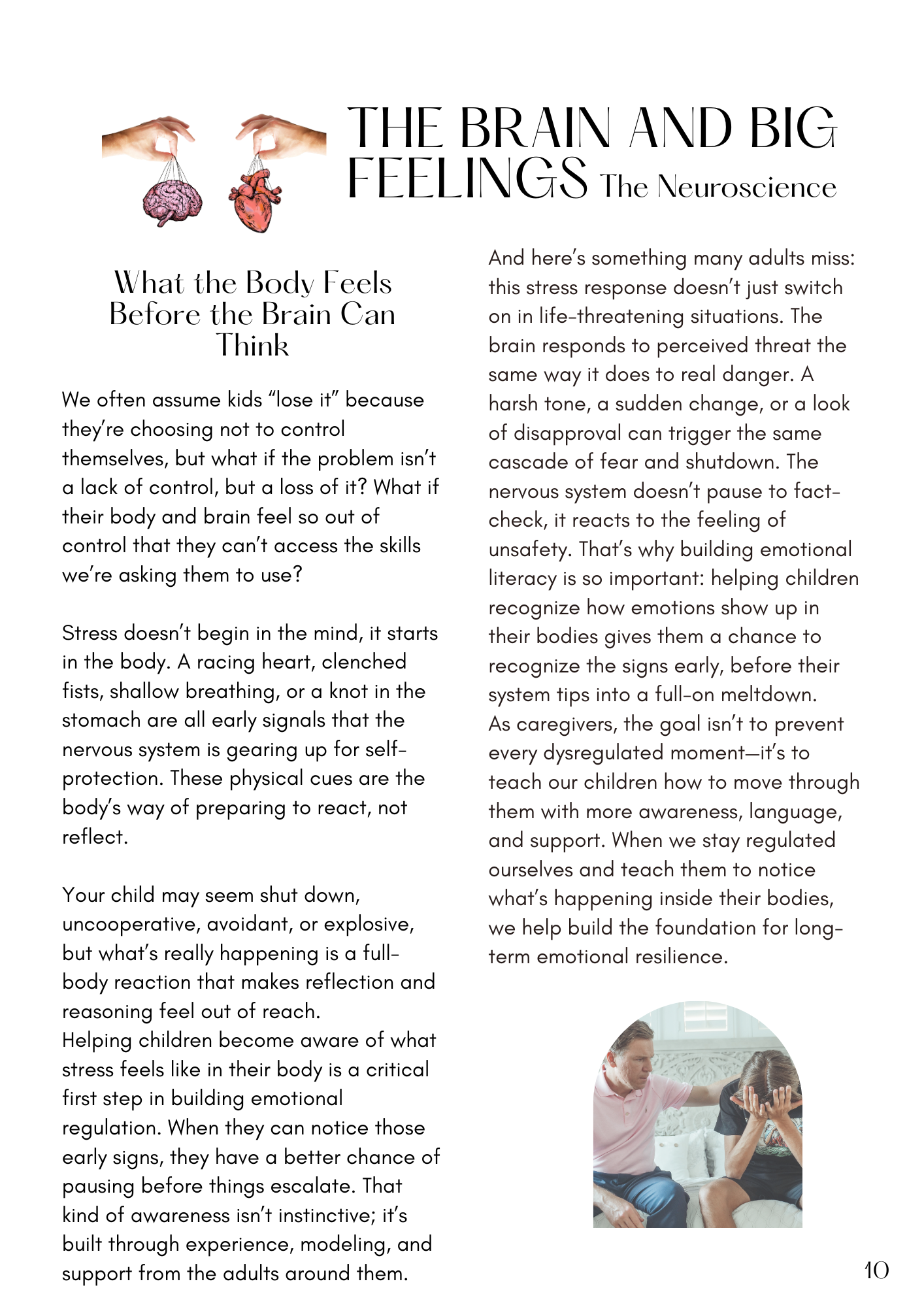
What if your child’s outbursts, shutdowns, or avoidance weren’t signs of defiance—but signals of stress, unmet needs, or lagging skills? That’s the core idea behind Regulate, Reflect, Respond, a practical, research-backed resource for parents who want to raise emotionally resilient, self-regulated thinkers. This guide helps you move beyond behavior management and into true connection-based support, without sacrificing structure or accountability.
On-demand guidance when something feels stuck
The Clarity Corner is designed for those moments when something isn’t working, and you don’t want to wait weeks to figure it out.
Whether it’s a specific challenge with your child, a breakdown in routines, or uncertainty about what to do next, this gives you direct access to thoughtful, professional guidance right when you need it.
This is not ongoing coaching.
It’s focused, high-quality support to help you move forward with clarity and confidence.
What this can help with:
Breaking down a specific challenge or situation
Talking through options and next steps
Problem-solving around routines, communication, or organization
Navigating executive function concerns
Deciding what kind of support your child actually needs
You’ll receive practical, grounded guidance tailored to your situation, not generic advice. The goal is simple. Help you get unstuck and feel clear about what to do next.
If it turns out you’d benefit from more support, we can talk about that. If not, you leave with direction and a plan.
No long-term commitment. Just clarity when you need it most.
This guide is your go-to resource for understanding how protein fuels your child’s brain, mood, and focus, especially for neurodivergent kids who need steady energy and strong regulation skills. Inside, you’ll learn the science behind why protein matters, get simple and creative breakfast ideas, and find easy recipes your kids can help make. By involving them in the process, from choosing ingredients to preparing meals, you’ll boost their buy-in, build independence, and turn breakfast into a daily opportunity for connection and healthy habits.
Rejection sensitivity can hit hard at times, especially for kids with ADHD. Their brains are already working overtime to manage emotions, so even small moments of perceived criticism or exclusion can feel intense and overwhelming. It’s not overreacting. It’s a real response that can impact confidence, relationships, and willingness to try.
I created a guide to help you understand what’s actually happening and give you practical ways to support your child through it. You’ll learn how to reduce emotional spirals, build awareness, and teach strategies that actually stick over time.
Check it out here!
No results match your search. Try removing a few filters.