Sale Price:
$12.00
Original Price:
$22.00
Why does my child know what to do but not do it?
Why Knowing Doesn't Always Lead to Doing
Your child understands the material. They can explain the concept at dinner, answer the question correctly when you ask later, or tell you exactly what they're supposed to do. Yet when it's time to start the assignment, complete the test, remember the directions, or follow through independently, everything seems to fall apart.
If you've ever wondered, "How can they know it but still not do it?" you're not alone.
The truth is, knowledge and performance are not the same thing. A child can have the ability while still struggling to access that ability in the moment because of executive function challenges, working memory demands, anxiety, cognitive overload, or difficulty initiating tasks. This guide explains why that gap exists and, more importantly, what parents and educators can do about it.
What You'll Learn
Inside this research-backed guide you'll learn:
Why capable students often perform far below what they actually know.
The science behind the "knowing versus doing" gap.
Why prompting works—and why too much prompting can unintentionally create dependence.
How executive function, working memory, anxiety, and cognitive overload affect performance.
Why many accommodations help students today but don't always build independence for tomorrow.
Practical strategies that reduce executive load while strengthening long-term executive function skills.
How to begin shifting from adult-led prompting to student ownership and independence.
What's Included
This digital guide includes over 19 pages of practical explanations, current research, real-world examples, and evidence-based strategies designed to help parents, educators, and professionals better understand why students struggle to demonstrate what they know.
Inside you'll find topics including:
Executive function and the knowing-doing gap
Prompt dependence and how to avoid it
Anxiety and academic performance
Executive-function-friendly accommodations
504 Plans and IEPs that promote long-term independence
Scaffolded strategies that build ownership over time
Classroom and home examples
Embedded research and source links for those who want to dive deeper
Who This Guide Is For
This guide is designed for:
Parents frustrated by constant reminding and prompting
Teachers supporting students who understand the material but struggle to complete work independently
School teams developing accommodations and executive function supports
Professionals working with children and teens
Families of students with ADHD, executive function challenges, learning differences, anxiety, or any child who struggles to consistently demonstrate what they know
A diagnosis isn't necessary. If you've ever looked at your child and thought, "I know they're capable of more," this guide was written for you.
Why This Guide Is Different
Most resources focus on helping students get through today's assignment.
This guide focuses on something much bigger: helping you understand why the struggle exists so you can begin building the executive function skills that create lasting independence.
Rather than relying on more reminders, more consequences, or more accommodations alone, you'll learn how to gradually move from external support to internal skills like visualization, self-talk, future thinking, and self-monitoring—the foundation of independent learners.
Download Today
Whether you're a parent, educator, or professional, this guide will help you stop asking "Why won't they just do it?" and start understanding what's happening inside the brain.
Once you understand the gap between knowing and doing, you'll begin to see your child's struggles differently—and you'll have practical strategies to help them build the skills they need to become more independent.
Useful/Related Links:
Screens Don’t Raise Kids - You do (Learn how to reduce screen battles while building healthier habits, stronger executive function, and lasting family connection)
Regulate, Reflect, Respond (Discover how emotional regulation impacts behavior and learn practical strategies to help children pause, reflect, and respond more effectively)
Personalized Support (Looking for individualized support? Work one-on-one with an executive function coach to build lasting skills for home, school, and life)
Continue Learning on Substack (Explore weekly articles, practical strategies, and evidence-based insights on executive function, parenting, ADHD, and child development)
Why does my child know what to do but not do it?
Why Knowing Doesn't Always Lead to Doing
Your child understands the material. They can explain the concept at dinner, answer the question correctly when you ask later, or tell you exactly what they're supposed to do. Yet when it's time to start the assignment, complete the test, remember the directions, or follow through independently, everything seems to fall apart.
If you've ever wondered, "How can they know it but still not do it?" you're not alone.
The truth is, knowledge and performance are not the same thing. A child can have the ability while still struggling to access that ability in the moment because of executive function challenges, working memory demands, anxiety, cognitive overload, or difficulty initiating tasks. This guide explains why that gap exists and, more importantly, what parents and educators can do about it.
What You'll Learn
Inside this research-backed guide you'll learn:
Why capable students often perform far below what they actually know.
The science behind the "knowing versus doing" gap.
Why prompting works—and why too much prompting can unintentionally create dependence.
How executive function, working memory, anxiety, and cognitive overload affect performance.
Why many accommodations help students today but don't always build independence for tomorrow.
Practical strategies that reduce executive load while strengthening long-term executive function skills.
How to begin shifting from adult-led prompting to student ownership and independence.
What's Included
This digital guide includes over 19 pages of practical explanations, current research, real-world examples, and evidence-based strategies designed to help parents, educators, and professionals better understand why students struggle to demonstrate what they know.
Inside you'll find topics including:
Executive function and the knowing-doing gap
Prompt dependence and how to avoid it
Anxiety and academic performance
Executive-function-friendly accommodations
504 Plans and IEPs that promote long-term independence
Scaffolded strategies that build ownership over time
Classroom and home examples
Embedded research and source links for those who want to dive deeper
Who This Guide Is For
This guide is designed for:
Parents frustrated by constant reminding and prompting
Teachers supporting students who understand the material but struggle to complete work independently
School teams developing accommodations and executive function supports
Professionals working with children and teens
Families of students with ADHD, executive function challenges, learning differences, anxiety, or any child who struggles to consistently demonstrate what they know
A diagnosis isn't necessary. If you've ever looked at your child and thought, "I know they're capable of more," this guide was written for you.
Why This Guide Is Different
Most resources focus on helping students get through today's assignment.
This guide focuses on something much bigger: helping you understand why the struggle exists so you can begin building the executive function skills that create lasting independence.
Rather than relying on more reminders, more consequences, or more accommodations alone, you'll learn how to gradually move from external support to internal skills like visualization, self-talk, future thinking, and self-monitoring—the foundation of independent learners.
Download Today
Whether you're a parent, educator, or professional, this guide will help you stop asking "Why won't they just do it?" and start understanding what's happening inside the brain.
Once you understand the gap between knowing and doing, you'll begin to see your child's struggles differently—and you'll have practical strategies to help them build the skills they need to become more independent.
Useful/Related Links:
Screens Don’t Raise Kids - You do (Learn how to reduce screen battles while building healthier habits, stronger executive function, and lasting family connection)
Regulate, Reflect, Respond (Discover how emotional regulation impacts behavior and learn practical strategies to help children pause, reflect, and respond more effectively)
Personalized Support (Looking for individualized support? Work one-on-one with an executive function coach to build lasting skills for home, school, and life)
Continue Learning on Substack (Explore weekly articles, practical strategies, and evidence-based insights on executive function, parenting, ADHD, and child development)
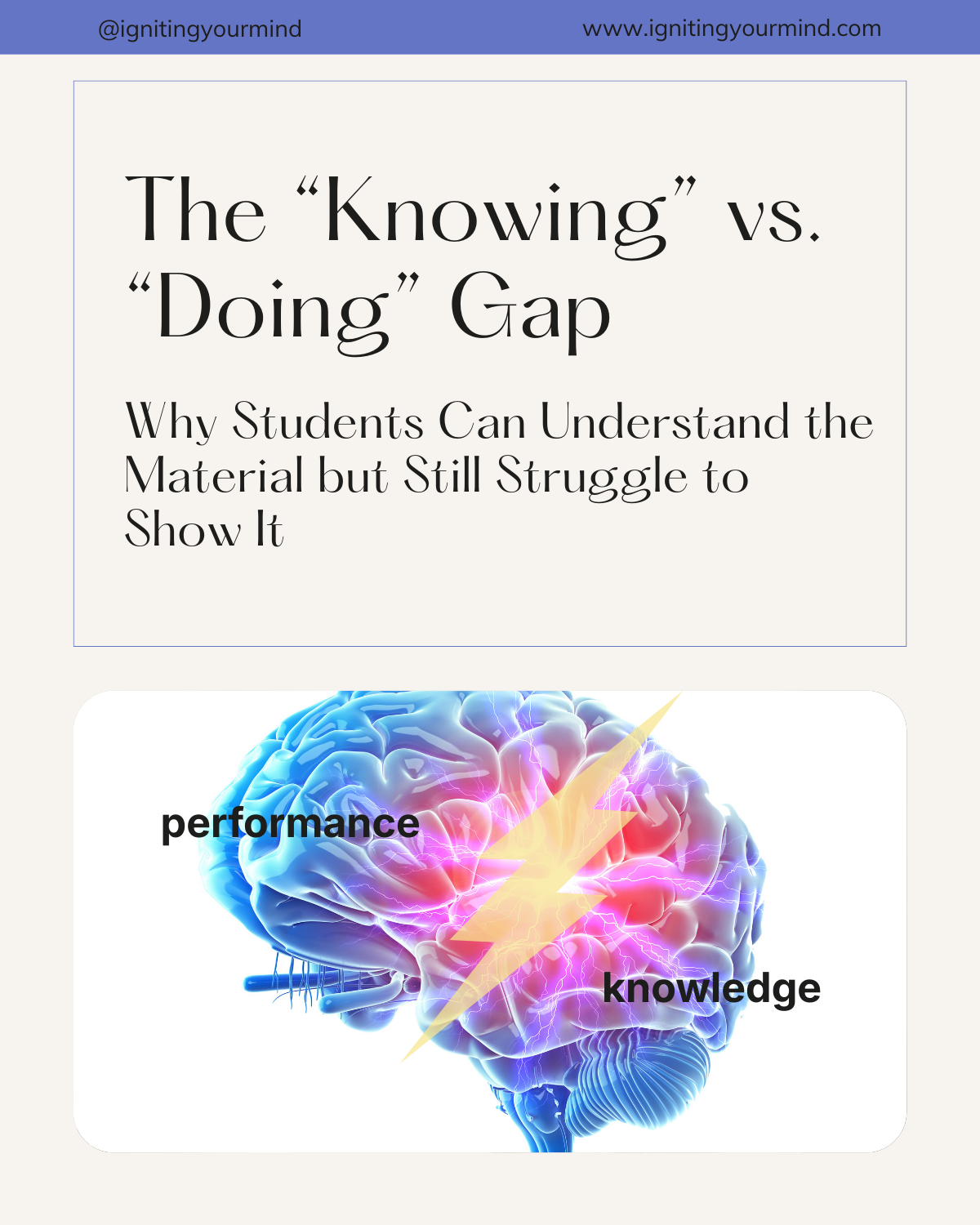 Image 1 of 1